
Companionship at home
Good company, shared interests and a reason to get out. Our companionship visits tackle loneliness with genuine human connection, not just a presence in the room.
What this means in practice
Real connection, not just a presence
Loneliness is not just about being alone. You can live with family and still feel isolated. Our companionship visits are about real connection: conversation that goes somewhere, activities that mean something, and getting out of the house when the walls start closing in.
A companionship visit might be a trip to the garden centre, a cup of tea and a long chat about the football, or help getting to a lunch club that someone stopped going to after they lost confidence. It depends on the person. We do not turn up with a predetermined plan. We turn up with time, attention and the willingness to do whatever makes that person's day better.
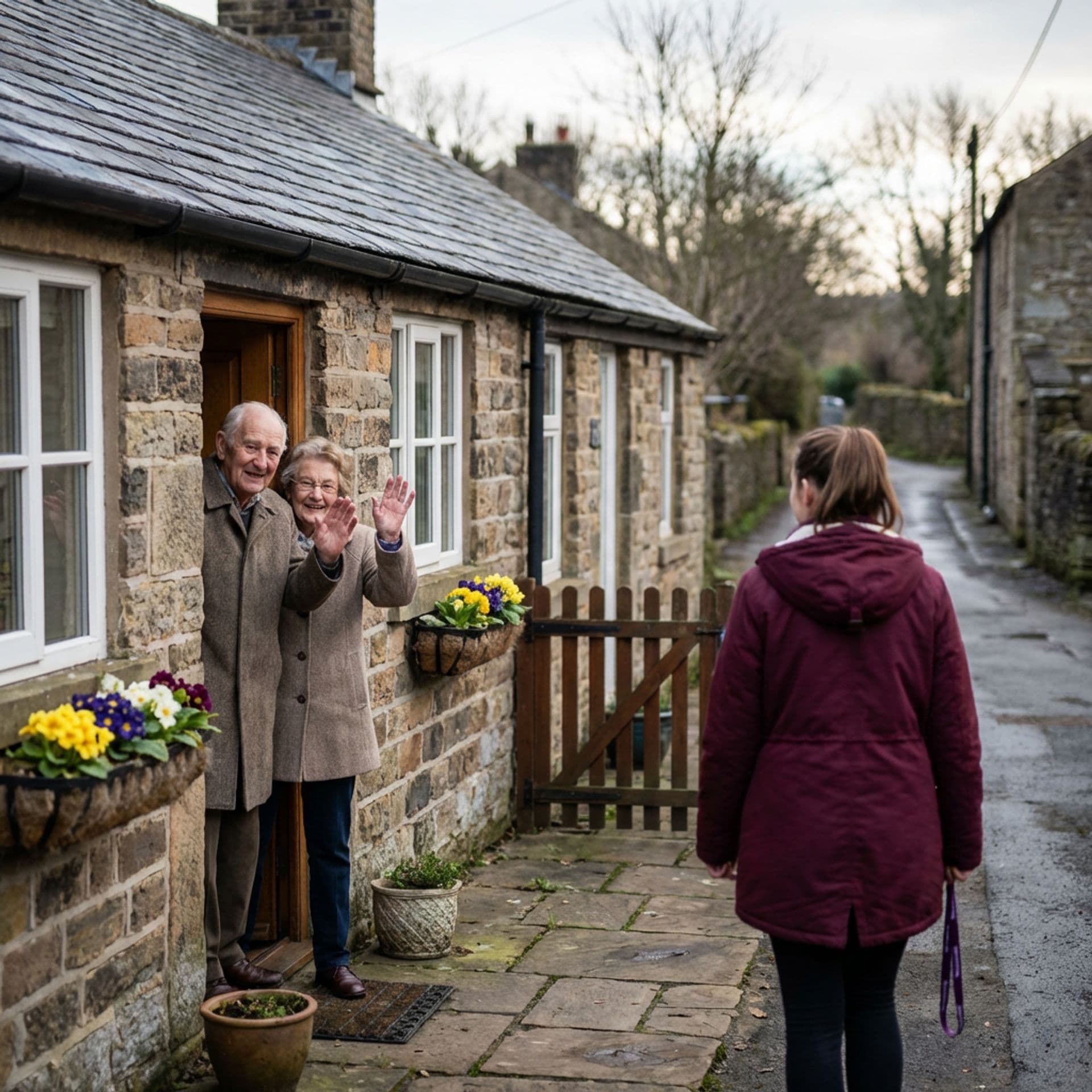
Families tell us the companionship visits are the thing their parent looks forward to most all week.
What we hear most often
For families, companionship visits often fill a gap that is hard to describe. You know your parent is safe, fed and warm. But you also know they spend most of the day sitting in the same chair, watching television they are not really watching. Companionship care addresses that. The bit that is not about physical needs but matters just as much.
Is this right for your family
Who this is for
If someone you care about has become withdrawn, stopped going out, or seems low in mood, companionship care might help. It is also for people who are physically well but lack regular social contact. Maybe their friends have passed away, or they can no longer drive, or they simply do not have the confidence to go out alone.
You do not need a medical reason. Wanting company is reason enough.
3.6m
Over-65s in England live alone, many with limited social contact
1 in 3
Older people say television is their main source of company
What makes us different
How we do it
Personality matching, genuine interests, and time that is not clock-watched. These are the things that turn a visit into something worth looking forward to.
Matched on personality and interests
We do not just send whoever is free. We find out what someone enjoys, what they used to do, and who they are as a person. Then we match a carer who can genuinely connect with them. If someone loves cricket, the carer should be able to hold a conversation about it.
Beyond tasks on a list
A companionship visit is not about ticking boxes. It is about doing whatever makes that person’s day better, whether that is a long chat, a crossword, or just sitting together watching the football.
Getting out and about
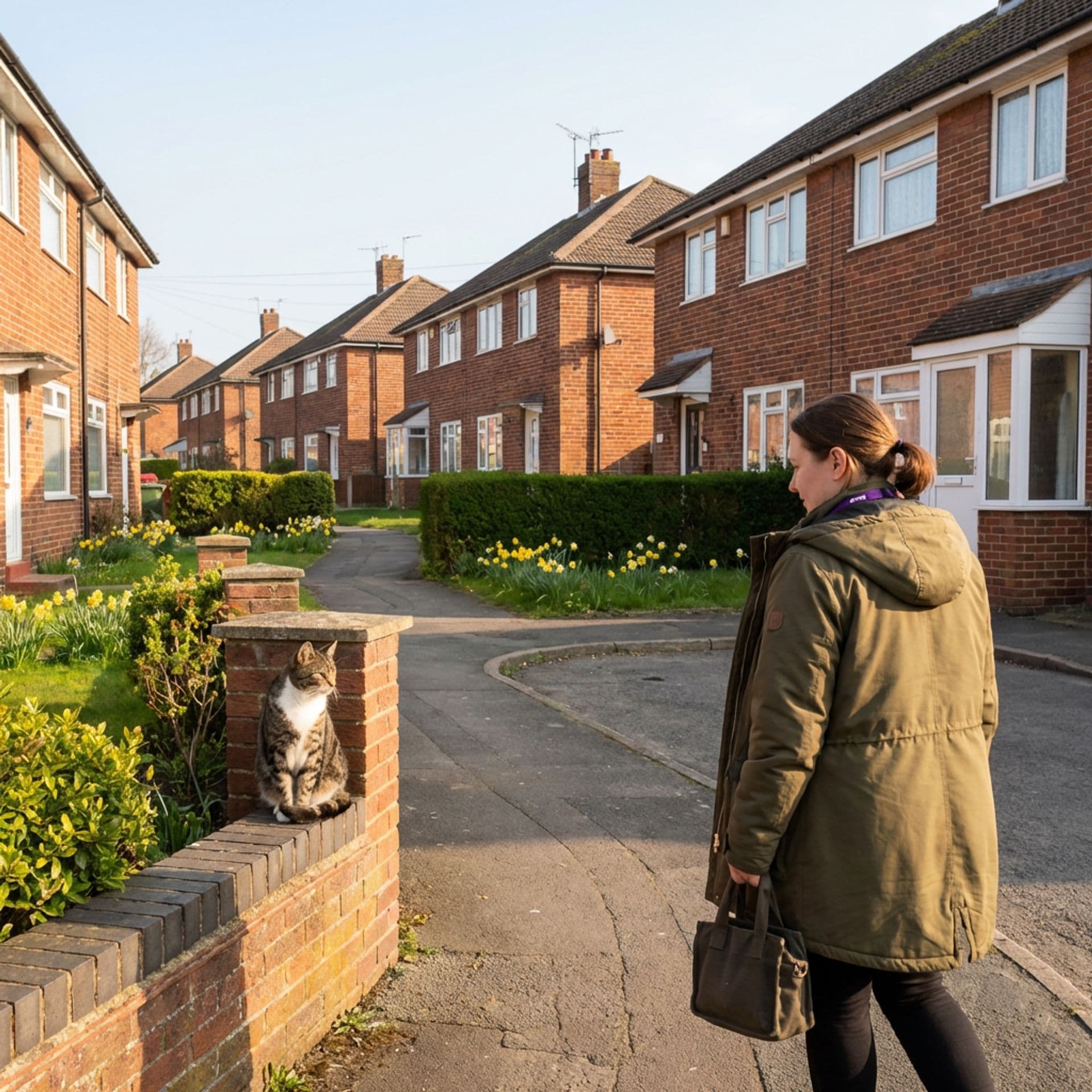
Trips to the garden centre, a walk around the park, a visit to a cafe or a lunch club. We help people get back to the things they stopped doing when they lost confidence or could no longer go alone.
Family app for peace of mind
See visit notes, check when carers arrived, and stay in the loop without having to phone the office. You can see what happened at every visit in real time, so you know your parent is not just sitting in silence.
Our carers are not clock-watchers. If a conversation is flowing and the visit is due to end, they do not cut it short and rush out the door. We build in enough time for things to happen naturally, because that is how real connection works.
Your questions answered
Common questions about companionship
Answers to the things families ask us most often.
Whatever the person wants. Some clients like to go for a walk or visit a cafe. Others prefer to stay in and chat, do a crossword, or watch a film together. Some want help getting to a club or community group they have stopped attending. The carer takes their lead from the person, not from a task list.
No. Plenty of our companionship clients live with a spouse or family member. It gives the other person a break, and it brings a different kind of company into the home. Sometimes talking to someone new about different things is exactly what is needed.
Our carers can accompany clients on outings using public transport, taxis or the client's own vehicle with appropriate insurance arrangements. We do not use our own vehicles to transport clients, but we make sure getting out and about is straightforward.
As often as you like. Some people have a visit once a week, others have two or three. There is no minimum and no fixed schedule. We can adjust as things change.
Choose your local team
Choose your local companionship team
We provide companionship visits from our Mansfield and Ripley branches. Pick the team closest to you and we'll show you the right local page for availability, next steps and callback options.
Good company makes all the difference
If someone you love has become isolated, a regular companionship visit can change their week. Get in touch and we will talk through what might help.